What an EN 1494 Test Report Really Tells You About a Barber Chair Hydraulic Pump
A barber chair hydraulic pump may look like a simple component, but its performance directly affects chair stability, lifting control, customer comfort and after-sales costs.
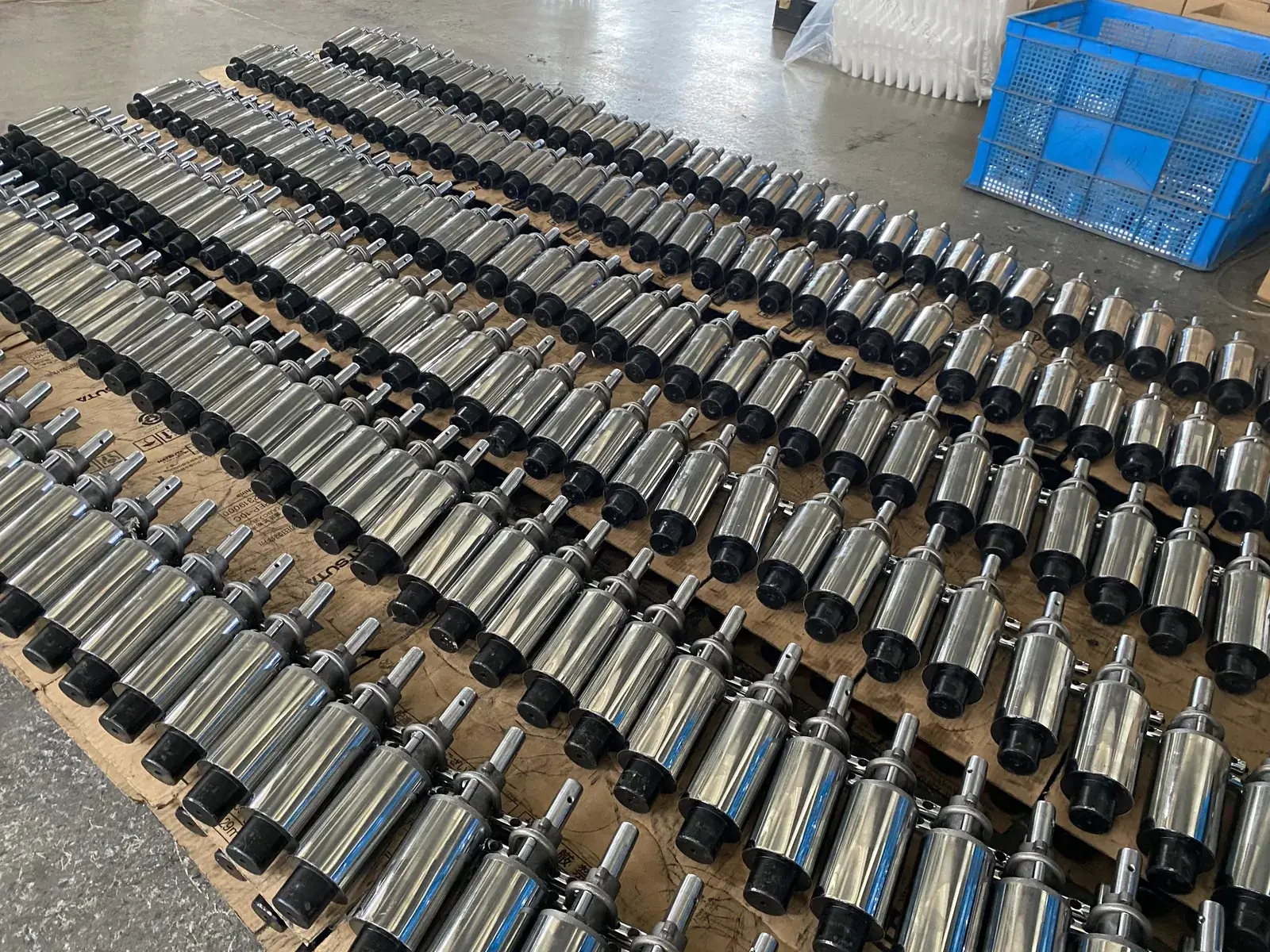
For salon furniture importers and distributors, a supplier saying that a pump is “heavy duty” or “high quality” is not enough. Buyers need evidence showing how the product was evaluated, which requirements were covered and where the limits of the report lie.
In April 2025, a third-party laboratory issued a test report for WellBeauty’s DB-series hydraulic pumps with reference to EN 1494:2000+A1:2008. This article explains what the report demonstrates, what it does not demonstrate and how professional buyers can use the information when comparing barber chair hydraulic pump suppliers.
Test Report at a Glance
| Product | Hydraulic pump |
|---|---|
| Applicant and manufacturer | Zhejiang WellBeauty Co., Ltd. |
| Report reference | EC-WLJFJX20250411-001 |
| Date of issue | April 9, 2025 |
| Testing laboratory | Mambocert (Shanghai) Technology Co., Ltd. |
| Referenced standard | EN 1494:2000+A1:2008 |
| Complete test sample | DB-16 |
| Product series listed | DB-01 to DB-29 |
| Test environment | 20–25°C and 50%–55% relative humidity |
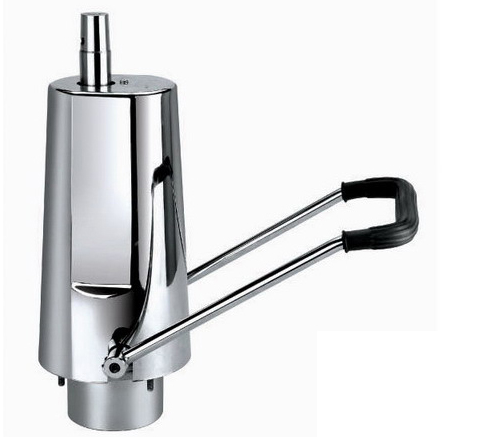
The report states that the complete test was conducted on model DB-16. Models DB-01 through DB-29 were listed as products belonging to the same series.
This distinction matters. DB-16 was the physical sample used for the complete evaluation. The report should not be interpreted as meaning that all 29 models were individually subjected to the complete test programme.
Why EN 1494 Was Used as a Technical Reference
EN 1494:2000+A1:2008 covers technical safety requirements for mobile or movable jacks and associated lifting equipment. Although the standard was not written specifically for salon chairs, several of its mechanical principles are useful when evaluating a hydraulic lifting component. These include load restraint, controlled lowering, piston guidance, end-position limitation, structural integrity and protection against unintended movement.
An EN 1494 report for a hydraulic pump should not be presented as certification of an entire barber chair. The finished chair includes the seat frame, base, mounting plate, backrest, footrest and connecting hardware. Their design and assembly also affect the performance of the complete product.
Five Findings That Matter to Buyers
Protection Against Unintentional Descent
The report records compliance with the requirement that the load can be restrained and held and that unintended descent is prevented. For buyers, this relates directly to a common field problem: a chair that slowly loses height while a customer is seated.
A compliant result supports the pump’s load-holding design under the test conditions. Long-term performance also depends on production consistency, hydraulic seals, oil cleanliness, correct installation and operating conditions.
Controlled Lowering Speed
The report records that the descent speed was no more than 0.15 metres per second under the applicable requirement. It also records that the operator can regulate or stop the lowering movement under load.
When evaluating samples, buyers should check whether lowering starts smoothly, stops at the expected position and remains controllable with different loads. These observations connect a technical result with the real salon experience.
Piston Guidance and End-Position Limitation
The report includes requirements intended to prevent pistons from unintentionally coming out of their guides and records compliance with limitation of the end positions.
These features help prevent overtravel, but the pump stroke must still be matched to the chair. Buyers should confirm minimum height, maximum height, effective stroke, upper-shaft dimensions, mounting interface, base connection and pedal clearance.
Structural Load Requirement
The structural design section records compliance with a requirement based on 150% of the applicable rated or maximum possible load. This is a useful structural reference, but the report pages do not state the actual test load in kilograms.
The result should therefore not be converted into a specific weight capacity without supporting technical documentation. Pump selection must consider the chair weight, expected user load, reclining frame, footrest and dynamic or off-centre forces.
Leakage, Stability and Functional Inspection
The report records visual verification for external hydraulic leakage and practical checks relating to stability, structural soundness and safe operation.
A visual inspection should not be confused with a long-term seal durability test. More complete supplier evaluation can include static load holding, repeated lifting cycles, measurement of height loss, inspection around seals and batch traceability.
What the Report Does Not Prove
Transparency is essential when technical reports are used in B2B purchasing. This report does not provide numerical information for the following:
- Actual test load in kilograms
- Number of durability cycles
- Static load-holding duration
- Measured height loss under load
- Seal service life
- Individual testing of every listed model
A Practical Purchasing Checklist
When comparing barber chair hydraulic pumps, importers and salon furniture manufacturers should evaluate more than price and appearance. Before confirming an order, request:
- Rated load of the selected pump
- Minimum and maximum installation height
- Effective lifting stroke
- Upper-shaft and mounting dimensions
- Compatible base types
- Pedal configuration and release direction
- Surface finish and corrosion protection
- Static load-holding performance
- Cycle-test conditions
- Spare seals and replacement-part availability
- Batch inspection procedure
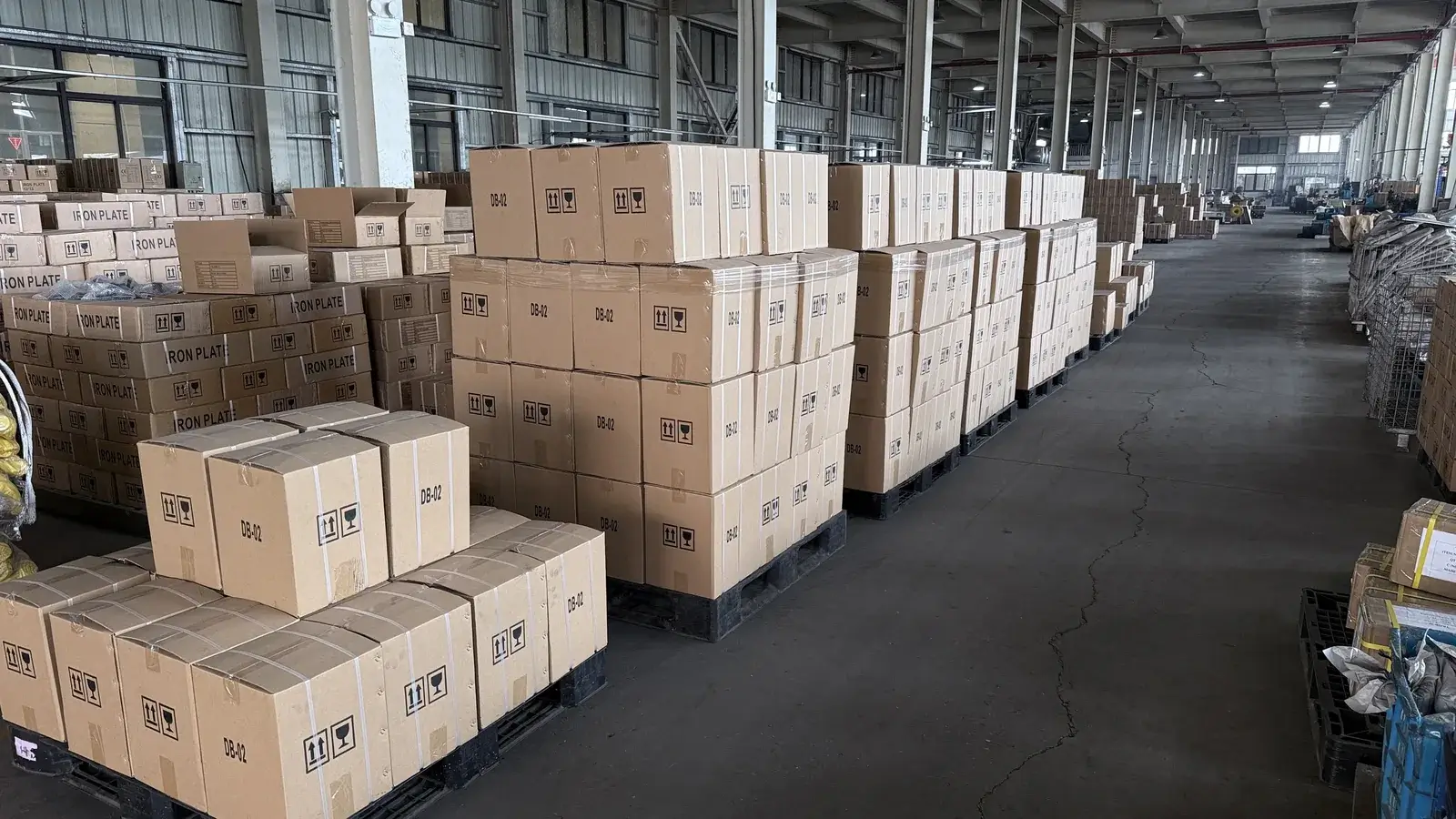
- Export packaging protection
Matching the Pump to the Complete Chair
Different barber chairs require different pump configurations. A heavy reclining barber chair, compact styling chair and lightweight salon chair do not necessarily use the same pump.
To recommend a suitable model, WellBeauty evaluates the complete chair weight, expected user load, required lifting range, seat-frame connection, base dimensions, pedal position, target market and packaging requirements. This helps buyers avoid problems caused by selecting a pump only by appearance or price.
Buyers can also review the WellBeauty hydraulic pump and base range or examine the DB-16 product specifications.
Conclusion
A test report is most useful when its scope is explained honestly. WellBeauty’s DB-16 report provides documented evidence concerning load restraint, controlled lowering, end-position design, structural requirements, leakage inspection and practical operation under the stated conditions.
Professional buyers should still distinguish between a component test report, model-specific performance data and certification of a complete chair.
Need a Pump Matched to Your Chair?
Send the chair weight, installation dimensions, required lifting range, base type and target market. Our team will recommend a compatible pump and the technical information needed for evaluation.